You are viewing Dehart Home.



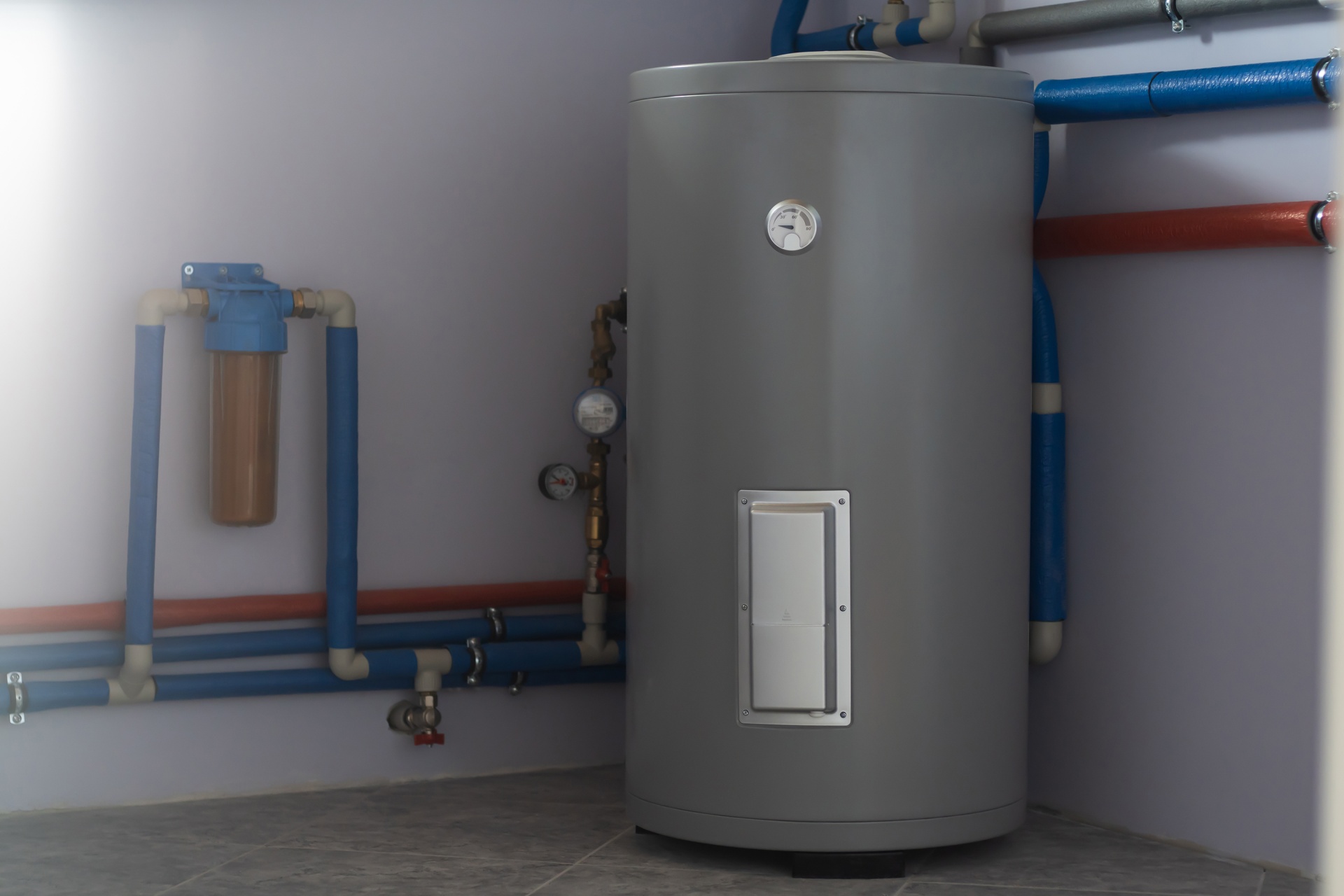
A well-functioning water heater is essential for maintaining comfort in your home, providing hot water for showers, dishwashing, laundry, and more. However, like any appliance, water heaters can experience issues over time.
Knowing how to detect these problems early on can save you from costly water heater repairs in Salida or replacements down the line. In this blog post, we’ll explore how you can identify when your water heater is broken or in disrepair and what steps you can take to address these issues.
1. Inconsistent Water Temperature
One of the most obvious signs that your water heater is in trouble is inconsistent water temperature. If you notice that your water is not as hot as it used to be, or it fluctuates between hot and cold, it’s a clear indication that something is wrong. This could be due to a failing heating element, a malfunctioning thermostat, or sediment buildup inside the tank. While you can adjust the thermostat settings to see if that resolves the issue, ongoing problems usually require the expertise of a professional.
2. Reduced Hot Water Supply
If you’re running out of hot water faster than usual, your water heater might not be functioning properly. This issue often arises from a buildup of sediment at the bottom of the tank, which can reduce the heater’s capacity and efficiency. Flushing the tank to remove sediment can help, but if the problem persists, it might be time to consult a professional for a more thorough inspection or consider upgrading to a larger unit if your household demand has increased.
3. Unusual Noises Coming from the Tank
Water heaters are generally quiet appliances, so any unusual noises should not be ignored. Popping, banging, or rumbling sounds often indicate sediment buildup inside the tank. As the sediment heats up, it can cause these noises, signaling that the tank is working harder than it should. Ignoring this issue can lead to more serious damage over time. Flushing the tank may resolve the issue, but persistent noise might mean that the sediment has hardened, and a replacement tank could be necessary.
4. Rusty or Discolored Water
If you notice rusty or discolored water coming from your taps, especially when using hot water, it could be a sign that your water heater is corroding from the inside. Corrosion can lead to leaks and eventually a complete tank failure.
5. Water Leaks Around the Heater
Water pooling around your water heater is a sure sign of trouble. Leaks can occur due to a variety of reasons, such as a faulty pressure relief valve, loose connections, or cracks in the tank itself. Even small leaks can lead to significant damage if left unchecked, including water damage to your floors and walls, as well as mold growth. If you detect any leaks, it’s crucial to address them immediately by tightening connections or calling a professional to assess and repair the issue.
6. Foul-Smelling Hot Water
If your hot water has a strange smell, particularly a rotten egg odor, it could be due to bacteria growth in the tank. This is often caused by the presence of sulfate-reducing bacteria, which can thrive in warm, stagnant water.
Frequently Asked Questions
Question: Why does my water heater reset button keep tripping?
Answer: A water heater reset button may trip repeatedly because of a faulty thermostat, damaged heating element, loose wiring, or overheating inside the tank. If it continues tripping after a reset, professional diagnosis is recommended rather than repeatedly pressing the button.
Question: How often should a tank water heater be flushed?
Answer: Most tank water heaters benefit from flushing about once a year to remove sediment that settles at the bottom of the tank. Homes with hard water may need more frequent flushing because mineral deposits can accumulate faster and affect performance.
Question: Can hard water shorten the life of a water heater?
Answer: Hard water contains minerals that can form scale and sediment inside the tank or on heating components over time. Excessive buildup can reduce efficiency, strain the system, and contribute to premature wear if maintenance is neglected.
Question: How can I find out how old my water heater is?
Answer: Check the manufacturer label on the water heater for an installation date, manufacture date, or serial number that identifies when the unit was made. If the date is encoded in the serial number, the manufacturer’s information can help you determine the unit’s age.
Question: When should I repair a water heater instead of replacing it?
Answer: Repair may make sense when the water heater is relatively young and the problem involves a replaceable component such as a thermostat or heating element. Replacement becomes more practical when the tank is leaking, repairs are frequent, or the unit is approaching the end of its expected lifespan.
Schedule water heater repairs with DeHart Plumbing, Heating, and Air Inc.