You are viewing Dehart Home.


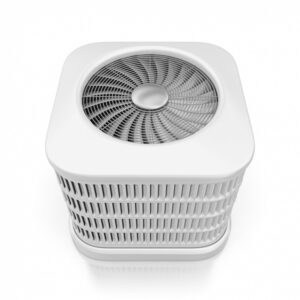
There are many ways we can make homes into energy savers using the latest in green technology. Since right now many people are preparing for the hot weather of summer, it’s a good time to adopt one of the most effective types of green appliances: the high-efficiency air conditioning system. Here’s how you can boost AC efficiency this year whether you upgrade or optimize your current setup.
What makes high-efficiency air conditioners different from standard units?
- Use higher SEER (Seasonal Energy Efficiency Ratio) ratings for greater energy savings
- Feature variable-speed fans that adjust airflow based on demand
- Include multi-stage compressors for more precise temperature control
- Offer improved humidity management for better indoor comfort
- Operate more quietly than standard AC units
- Reduce energy consumption and lower monthly utility bills
You may be curious about the differences between a standard air conditioning system and a high-efficiency system. It’s more complicated than “one is built better.” High-efficiency ACs can have several different features built into them to help lower the amount of energy they consume, as well as make them more effective at managing temperatures, eliminating hot and cold spots, and controlling humidity.
What SEER Ratings Reveal About Efficiency
We’ll start with the basic efficiency rating of air conditioners, which is SEER (seasonal energy efficiency ratio). This rating is the quickest way to tell what kind of unit you’re dealing with. Current US Department of Energy regulations require that air conditioners have SEER of at least 15 for them to earn the ENERGY STAR label. But residential air conditioners can have SEER ratings as high as 23. Understanding AC system efficiency ratings is key to making an informed, cost-effective choice. What gets advertised as a high-efficiency system depends, but if you want significant reductions in energy costs, look for an AC with at least 20 SEER. (Yes, higher efficiency systems are more expensive to purchase, but they can often pay for themselves after only a few years.)
How Variable-Speed Fans Improve Comfort and Efficiency
This is one common feature of the high-efficiency AC: a blower fan that can adjust its speed to match the comfort needs of the house. A standard blower fan in an air conditioner works at a single speed, but a variable speed fan can lower its capacity, reducing the electricity the unit needs to run. But the variable speed fan has other benefits as well. It can regulate humidity indoors better because it circulates the air for longer at lower power. They also help to prevent peaks and valleys in heating and cooling because they don’t immediately blast out immense amounts of cold air when they come on. Finally, variable speed fan motors last longer because they accrue less start-and-stop wear and tear.
Why Multi-Stage Compressors Boost AC Performance
This is the big advantage that allows a high-efficiency AC to operate on less power: a variable compressor. A standard AC compressor either is on or off; there’s no temperature adjustment. When the thermostat detects the home requires cooling, it turns on the compressor, which runs until the thermostat registers it’s reached the target, and then the compressor shuts off.
A variable compressor adjusts how much it operates by changing the flow of refrigerant, so it can operate at lower levels. Proper refrigerant performance is critical not just for efficiency, but also for environmental safety and regulatory compliance. Because of this, the compressor won’t need to shut on and off as frequently. This makes a tremendous difference because a compressor draws upon the most power when it starts up. A variable compressor runs at low power for stretches and then increases refrigerant flow to provide additional cooling as necessary. This lowers power consumption and allows a house to enjoy even cooling without the ups and downs of a standard AC compressor.
We install the best in high-efficiency heating and air conditioning for Modesto, CA and the surrounding area.
Frequently Asked Questions
Question: What makes a high-efficiency air conditioner different from a standard one?
Answer: High-efficiency air conditioners use advanced features like variable speed fans and compressors. These allow them to adjust output based on real-time needs, using less energy while maintaining even temperatures and improved humidity control compared to standard models.
Question: What is a SEER rating and why does it matter?
Answer: SEER stands for Seasonal Energy Efficiency Ratio. It measures how efficiently an AC unit operates over a cooling season. Higher SEER ratings mean better energy efficiency. For high performance and savings, look for units with a SEER of 20 or more.
Question: How does a variable speed fan improve AC efficiency?
Answer: A variable speed fan adjusts its speed based on the home’s cooling needs. It runs longer at lower power, which uses less electricity, reduces humidity better, and avoids big temperature swings. It also leads to less wear and tear over time.
Question: Why is a variable compressor beneficial?
Answer: Unlike standard compressors that only turn on or off, variable compressors adjust their output by changing refrigerant flow. This reduces power surges and provides consistent cooling, making the system more energy-efficient and comfortable.
Question: Do high-efficiency air conditioners cost more upfront?
Answer: Yes, they typically cost more to purchase and install. However, their energy-saving features often lead to lower monthly utility bills and can pay for themselves within a few years through reduced energy use.
Work with Greenhart when you want the best in high-efficiency equipment for your home. Live Green, Save Green!