You are viewing Dehart Home.



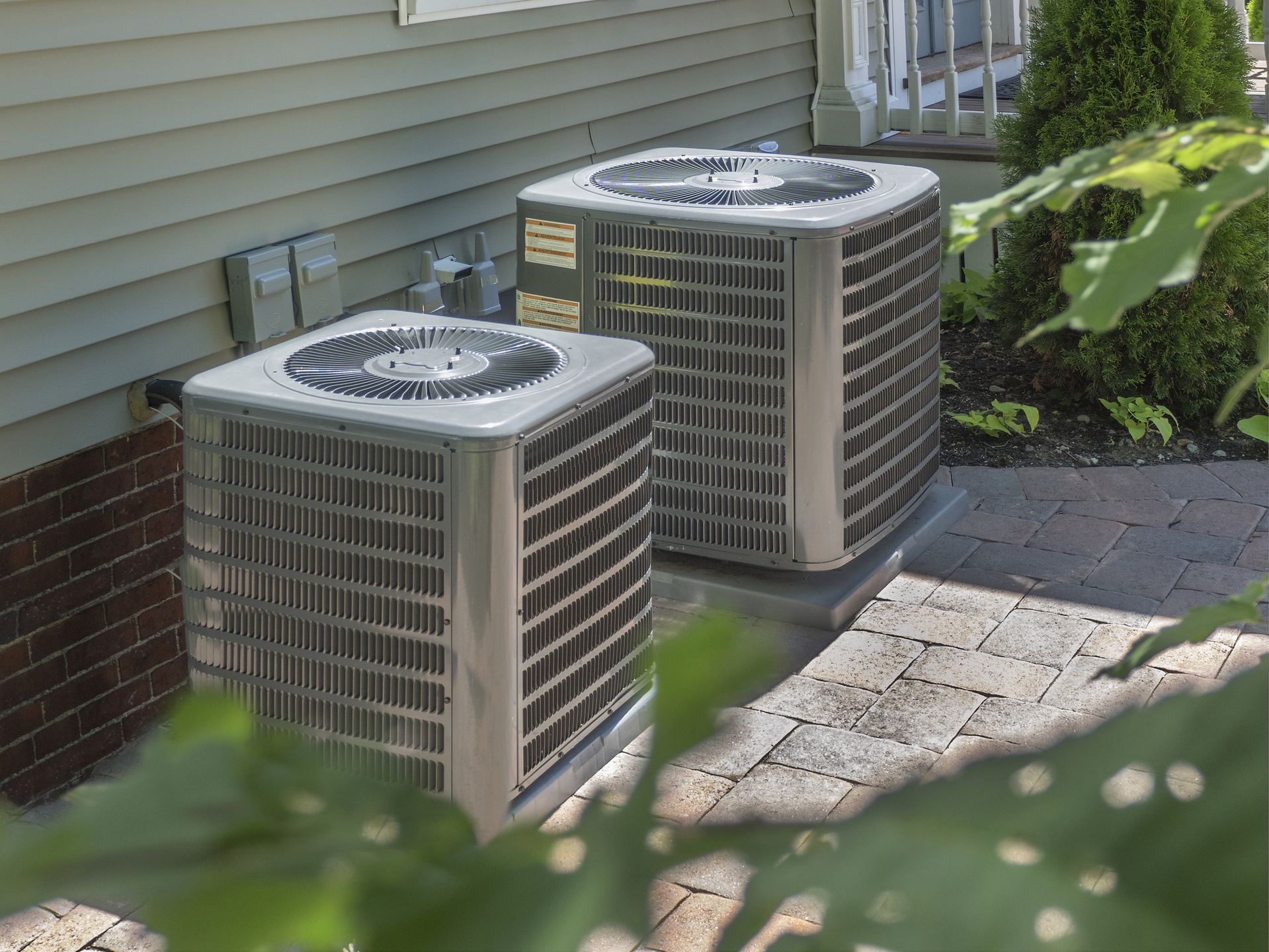
As spring comes to an end, your air conditioner becomes your best friend. But what happens when your cool oasis turns into a source of worry? A refrigerant leak can be a serious issue, impacting your comfort, wallet, and even the environment.
This blog post dives into the world of refrigerant leaks, focusing on how to detect them and why professional air conditioner service in Salida is essential.
Refrigerant: What It Is and Why It Leaks
Aside from the compressor, refrigerant is the most important part of your AC system. It’s a vital chemical that can help remove heat from your home with pressure changes. Refrigerant leaks can occur for several reasons:
- Wear and Tear: Over time, components like copper coils and connection points can develop weaknesses.
- Corrosion: Exposure to moisture or acidic elements can cause metal components in the refrigerant line to corrode, leading to leaks.
- Physical Damage: Any physical damage to the system, like rodent bites or bumps, can cause refrigerant to start leaking from the lines.
- Improper Installation: Bad practices during initial system setup can create weak connections or lead to improper tightening of components, increasing the risk of leaks.
Signs Your AC Might Have a Refrigerant Leak:
A refrigerant leak can be tricky to detect, but there are some telltale signs to watch out for:
- Higher Energy Bills: As your AC works harder to compensate for the refrigerant leak, you may notice a spike in your energy bills. The system is running for longer periods but achieving less cooling effect. If you’ve been asking yourself why your cooling costs have spiked, a refrigerant issue may be the underlying cause.
- Hissing or Bubbling Sounds: Refrigerant leaks can cause sounds like hissing or bubbling, due to the gas escaping or air bubbles infiltrating the lines. These noises are among the key signs that your AC might be out of whack and should be checked by a professional right away.
- Frozen Coils: The refrigerant absorbs heat indoors, causing the evaporator coil to become cold. However, a refrigerant leak can lead to the evaporator coil becoming excessively cold and even frosting over.
- Presence of Ice on the Condenser Coil: The condenser coil releases heat outdoors. While some condensation is normal, the presence of ice on the condenser coil can indicate a refrigerant leak and reduced system efficiency.
- Reduced Airflow: A clogged air filter can restrict airflow, but a refrigerant leak can also impact airflow. If your vents are blowing weak or insufficient air, it’s worth investigating for a leak.
The Importance of Professional Repairs
While some signs of a refrigerant leak might seem DIY-fixable, there are several reasons why professional repairs are crucial:
- Leak Detection: Finding the exact location of a leak can be tricky. Professional technicians have specialized tools and experience to pinpoint the leak efficiently.
- Repair Expertise: Depending on the location and severity of the leak, repairs may involve soldering, brazing, or replacing components. A qualified technician has the expertise to ensure the repair is done correctly and your system is operating safely and efficiently.
- System Recharge: Once the leak is repaired, the system needs to be recharged with the proper amount and type of refrigerant. HVAC technicians have the equipment and knowledge to recharge your system accurately. Your AC refrigerant and protecting the environment go hand in hand, so safe and proper handling is essential.
- Warranty Considerations: Attempting a DIY repair on your AC unit could void the manufacturer’s warranty. Professional repairs ensure your warranty remains intact.
Frequently Asked Questions
Question: Can I keep running my AC if it has a refrigerant leak?
Answer: Running an air conditioner with a refrigerant leak can reduce cooling performance and force the system to operate longer while placing additional stress on important components. If a leak is suspected or confirmed, shutting the system off until an HVAC professional evaluates it can help prevent further damage and unnecessary energy use.
Question: Does an air conditioner need refrigerant added every year?
Answer: A properly operating air conditioner uses refrigerant in a closed system, so it should not require routine refilling or annual refrigerant top-offs. If refrigerant levels are low, the system may have a leak or an incorrect original charge, and the underlying problem should be diagnosed rather than repeatedly adding refrigerant.
Question: Can low refrigerant damage an AC compressor?
Answer: Low refrigerant can interfere with the cooling cycle and cause the air conditioner to work under conditions that may place excessive strain on the compressor. Continuing to operate the system with a significant refrigerant shortage can contribute to more serious equipment damage, making early diagnosis and repair important.
Question: Is it better to repair a refrigerant leak or replace the air conditioner?
Answer: Whether repair or replacement makes more sense depends on the system’s age, overall condition, refrigerant type, leak location, repair history, and the cost of the damaged component. An older system with a leaking coil or repeated refrigerant problems may warrant comparing replacement costs with the expense of continuing repairs.
Question: What affects the cost of repairing an AC refrigerant leak?
Answer: Refrigerant leak repair costs can vary based on where the leak is located, how difficult it is to access, which component requires repair or replacement, and how much refrigerant must be restored afterward. The refrigerant type and whether additional diagnostic testing or system evacuation is necessary can also affect the final service cost.
Schedule repairs with the experts at DeHart Plumbing, Heating, and Air Inc.