You are viewing Modesto, CA.


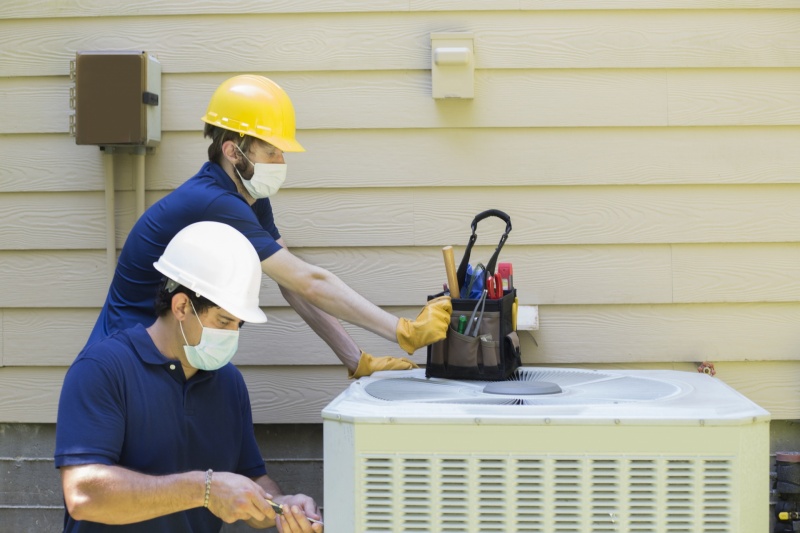
It’s officially Fall, and while we can still likely expect some heatwaves throughout the rest of the year–after all, it is California–it’s just about time to turn our attention to our heating systems. In fact, it’s never too early to schedule heating system maintenance, if you haven’t done so already!
That said, it’s likely you have been using your AC system pretty consistently over the last few months. The absolute last thing you need now is an unexpected breakdown or huge repair issue when you still need your system.
We have some good news, fortunately! Most AC repair needs show very clear symptoms well before these issues cause your air conditioner to break down. So if you notice any of these symptoms, you can give us a call right away. Once repaired, you can rely on your air conditioner not only for the rest of our warm weather. but when you need it as temperatures warm up again next spring.
Remember, you shouldn’t ever try to formally diagnose or repair a faulty air conditioner on your own. There are potentially harmful components involved, such as the chemical refrigerant. But you can be diligent and give us a call if you notice any of these troubling AC repair signs:
When Should You Schedule AC Service at the End of the Cooling Season?
End-of-season AC problems should be addressed before they develop into larger repair needs. Schedule professional HVAC service if you notice:
- Reduced airflow from the vents
- Air that feels warmer than normal
- Frequent or unusually short cooling cycles
- Longer run times to reach the thermostat setting
- Cooling performance that has declined over the season
Addressing these issues before the AC sits unused can help restore reliable operation and prepare the system for the next cooling season.
Weak AC Airflow: Common Causes and End-of-Season Repair Needs
Have you noticed that the cooled air you’re used to isn’t moving through your vents and into your living space with the speed or power you are used to? This certainly indicates an issue! It usually means that air is trapped somewhere within the system, which can cause your coils to freeze over–which is a problem all on its own.
Another possibility is that your air ducts are damaged, and conditioned air is escaping into unoccupied spaces such as your attic, crawlspace, or wherever you have your ductwork installed.
AC Not Cooling Enough? Signs Your System May Need Repair
Maybe the airflow seems strong enough, but your air seems lukewarm? Factors such as refrigerant leaks, overheating components, or again–damaged air ducts–could all contribute to a decreased ability to cool down your living space.
Reduced cooling is both the symptom of a problem and a problem within itself. This is because it will ultimately cause your air conditioner to run longer to try to reach the desired temperature on your thermostat. This is inefficient and can exacerbate wear and tear on the unit.
AC Short Cycling: Why Your System Keeps Turning On and Off
When an air conditioner, or forced-air heating system, turns on and off rapidly, this is called short-cycling. Your cooling system uses more energy turning on than it does simply drumming, so you need yours to run for at least 15 minutes at a time. Otherwise, it’s a sign that something is amiss within your air conditioner.
“What if my air conditioner has always short-cycled?”
If this is the case, then it probably means that your air conditioner was not properly sized to begin with. To minimize this risk, you always want to work with a trained and highly experienced HVAC contractor for your air conditioner installation and services.
Frequently Asked Questions
Question: Should I repair my AC at the end of summer or wait until spring?
Answer: Repairing known AC problems before the system sits unused can prevent small issues from becoming larger or being forgotten until the next heat wave. End-of-season service also gives homeowners more time to address repairs before cooling demand returns.
Question: Can AC problems get worse while the system is not being used?
Answer: Some issues, such as corrosion, loose electrical connections, or existing refrigerant leaks, can remain or worsen even while the AC is inactive. Addressing known problems before winter helps ensure the system is in better condition when it is needed again.
Question: Is fall a good time to schedule AC maintenance?
Answer: Fall can be a convenient time for AC maintenance because the system has just completed a season of heavy use and developing problems may be easier to identify. A technician can inspect electrical components, coils, refrigerant performance, and drainage before the next cooling season.
Question: Should I cover my outdoor AC unit during winter?
Answer: Most outdoor AC units are designed to withstand normal weather, so completely wrapping the unit can trap moisture and encourage corrosion or pest activity. Homeowners should follow the manufacturer’s recommendations and keep leaves, branches, and other debris away from the equipment.
Question: What should I do before turning my AC on again next spring?
Answer: Before restarting the system, check the air filter, clear debris from around the outdoor unit, and look for visible damage or unusual conditions. Scheduling seasonal maintenance can also help identify electrical, drainage, airflow, or refrigerant problems before temperatures rise.
For professional and reliable AC repair in Modesto, CA, contact DeHart Plumbing, Heating, and Air Inc. today!