You are viewing Reno, NV.


You turn on your furnace for the first time in months, and within a few minutes, you notice it: a burning smell coming from the vents. For Reno, NV homeowners getting ready for another heating season, this experience can be alarming. The good news is that a brief burning or dusty smell during the first furnace cycle of the season is often completely normal.
But not every burning odor should be ignored. Here are answers to some common questions about what your nose may be telling you.
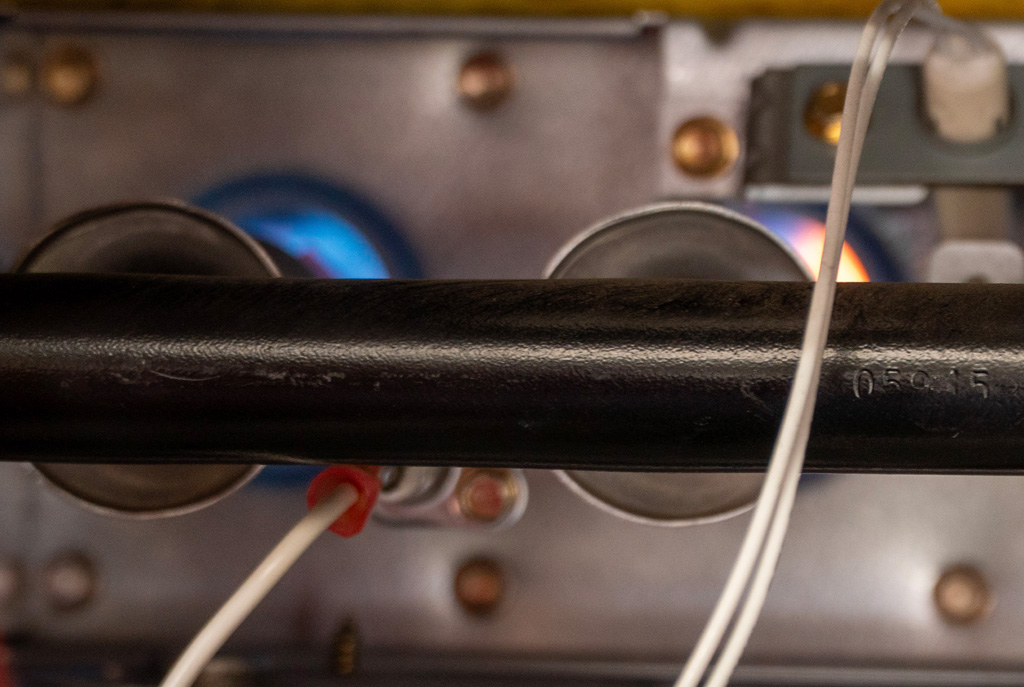
Why Does My Furnace Smell Like Something Is Burning?
During Reno’s warmer months, your furnace may sit unused for an extended period. Dust and other small particles can settle on burners, the heat exchanger, and other internal components.
When you start the furnace for the first time, that accumulated dust heats up and burns off. The result can be an odor that resembles burning dust.
Typically, this smell should begin fading relatively quickly. You may notice it during the first few heating cycles, but it shouldn’t persist every time the furnace operates.
When Is a Burning Smell Not Normal?
The type and duration of the odor matter. If a burning smell continues long after the furnace has been operating, becomes stronger, or returns repeatedly, schedule a professional furnace diagnosis with us.
An odor resembling burning plastic, rubber, or electrical wiring can be particularly concerning. Electrical components, wiring, motors, or other furnace parts may be overheating or malfunctioning.
Visible smoke is another warning sign that shouldn’t be dismissed as ordinary seasonal dust. Turn off the heating system and seek professional assistance if you see smoke or notice a strong, unusual burning odor.
If you smell natural gas or suspect a gas leak, leave the home and contact your gas utility or emergency services from a safe location.
Can Furnace Maintenance Reduce That First-Use Smell?
Regular furnace maintenance can help. During a professional tune-up, an HVAC technician can inspect and clean appropriate components, check the burners, evaluate electrical connections, and look for signs of wear or overheating.
Removing accumulated debris before the furnace begins operating regularly can reduce odors while also giving your technician an opportunity to identify potential problems.
Changing the HVAC filter is another important step. A dirty filter can restrict airflow and allow additional dust and debris to circulate through the system.
What Other Furnace Odors Deserve Attention?
Burning isn’t the only smell worth investigating. Musty odors could point toward excess moisture somewhere in the HVAC system. Persistent chemical or unusual metallic odors can also warrant an inspection.
Homeowners should pay particular attention when an unfamiliar smell occurs alongside other symptoms, including unusual noises, weak airflow, short cycling, or difficulty heating the house.