You are viewing Reno, NV.


The first chilly mornings of the season can send Reno, NV homeowners straight to the thermostat. But after months without using your furnace regularly, you may notice something that makes you wonder: Why is it taking so long for the house to warm up?
A furnace doesn’t necessarily heat an entire home immediately. However, excessively long heating cycles or a home that never reaches the thermostat setting can indicate a problem. Understanding what’s normal—and what isn’t—can help you start heating season with confidence.
How Long Should a Furnace Take to Warm Your Home?
There isn’t one universal answer. The outdoor temperature, size of your home, thermostat setting, insulation, furnace capacity, and how much you’re increasing the temperature can all affect heating time.
If you wake up to a cold house and raise the thermostat several degrees, don’t expect every room to become comfortable within a few minutes. Your furnace needs time to heat the air and circulate it throughout the home.
What isn’t normal is a furnace that runs for unusually long periods without making meaningful progress. If the thermostat barely moves or certain rooms remain consistently cold, it’s worth investigating.
Could a Dirty Filter Be Slowing Things Down?
Start with one of the simplest possibilities: the furnace filter.
A heavily clogged filter can restrict airflow, making it harder for the HVAC system to circulate heated air. Your furnace may be producing heat, but your home won’t warm efficiently if that air isn’t reaching the rooms where it’s needed.
Check your filter regularly during heating season and replace it according to the manufacturer’s recommendations and your household’s needs.
Insulation Makes a Big Difference in Reno
Reno’s cold winter nights can reveal weaknesses in a home’s insulation and air sealing. Even a properly operating furnace may struggle to make the house feel comfortable if heat continually escapes through the attic, walls, windows, doors, or other gaps.
This can lead to longer furnace cycles, uncomfortable rooms, and unnecessary energy use. Addressing insulation and air leaks can help your home hold onto the heat your furnace produces.
Take a walk around your home and inspect areas where the seal might be weak. Does your front door have a small gap that could be allowing warm air to escape? Are your windows only single-paned? These are questions that might help you figure out why your home is consistently cold while the heating system works at full blast.
Start Heating Season With a Furnace Check
Your furnace may simply need some time to bring a cold Reno home up to temperature. But struggling to reach the thermostat setting, unusually long cycles, weak airflow, or inconsistent temperatures shouldn’t be ignored.
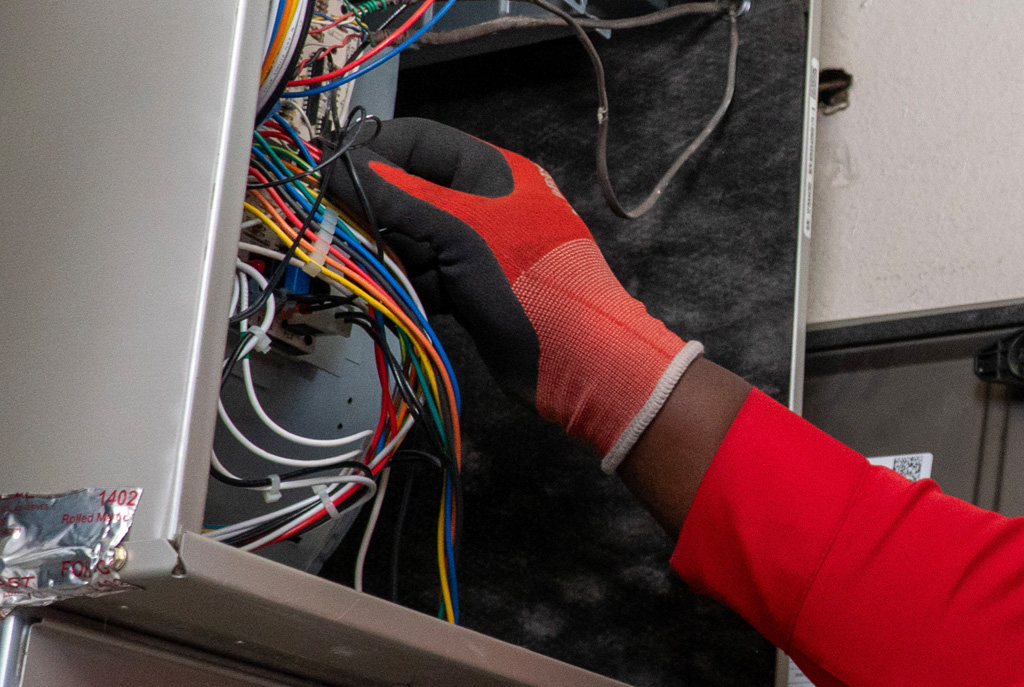
Early-season furnace maintenance is an opportunity to check filters, airflow, burners, safety components, thermostats, and overall system performance before colder weather arrives. If your furnace seems slower than usual this fall, schedule a professional heating inspection and find out what’s holding it back before winter puts even greater demands on your system.
For expert heating inspections, schedule an appointment with DeHart Plumbing, Heating, and Air Inc.