You are viewing Reno, NV.


When temperatures start to dip in Northern Nevada, many homeowners aren’t aware of how quickly plumbing problems can develop. That’s why now is the perfect time to prepare your pipes for freezing conditions—because there will be freezing nights in Reno that require preparation. If you’re searching for reliable plumbing in Reno, we’re here to help you protect your home and stay ahead of seasonal damage.
As the trusted experts at DeHart Plumbing, Heating & Air, Inc., we’ve seen firsthand how freezing weather can wreak havoc on your plumbing system. Frozen pipes aren’t just inconvenient—they can burst and lead to costly water damage throughout your home. Fortunately, taking a few proactive steps now can help you avoid a plumbing disaster and save you stress and money later.
Why Frozen Pipes Are Dangerous for Reno Homes
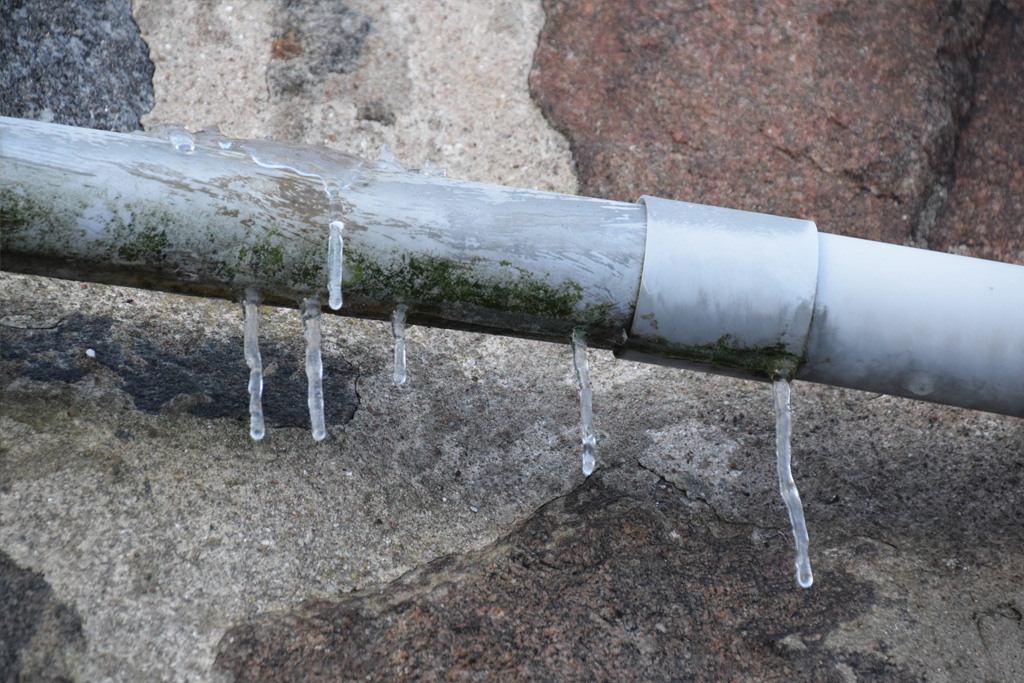
When water freezes, it expands. Inside a confined pipe, that expansion can create intense pressure, causing the pipe to crack or burst. Even a tiny break can send gallons of water spilling into your walls, floors, and ceilings. Reno’s fluctuating temperatures put homes at high risk during fall and winter, especially when nighttime temperatures plummet unexpectedly. Seasonal buildup can also lead to common drain clog contaminants that put extra strain on your plumbing system.
Insulate Pipes Before Freezing Temperatures Hit
One of the most effective defenses is pipe insulation. Exposed pipes—especially in basements, crawl spaces, attics, garages, and outdoor walls—should be wrapped in high-quality insulation. This affordable material retains heat, preventing water inside from freezing. We strongly recommend installing insulation before the coldest months arrive. It’s a simple upgrade that offers year-long benefits. Proper insulation also reduces long-term wear, extending the lifespan of your plumbing system.
Keep Water Moving to Help Prevent Frozen Pipes
Stagnant water is more likely to freeze. Allowing a small, steady drip from faucets connected to exposed pipes helps relieve pressure and keeps water flowing. This minor increase in your water bill is nothing compared to the cost of repairing a burst pipe and the water damage that follows.
Maintain Indoor Heat During Cold Weather
Even if you’re leaving for vacation, keep your thermostat set to no lower than 55°F. This keeps warm air circulating and protects pipes located near exterior walls. Open bathroom and kitchen cabinet doors to allow heated air to reach plumbing underneath sinks.
Seal Air Leaks Around Vulnerable Plumbing
Cold drafts can penetrate gaps around windows, doors, and foundation cracks. Sealing these areas keeps warm air inside, protects pipes, and improves energy efficiency. Weatherstripping, caulk, and insulation foam are simple tools with big benefits.
Know Where Your Main Water Shut-Off Valve Is
In an emergency, quick action is crucial. Make sure you know where your home’s main shut-off valve is located. Shutting off water immediately can minimize potential damage while you call for emergency assistance.
Call a Professional for Emergency Frozen Pipe Help
Even with the best preparation, problems can still arise. That’s why we offer dependable emergency plumbing and 24/7 service to protect your home day or night. When freezing weather strikes, you need fast, expert repairs from a team you can trust, especially if backups point to professional drain cleaning solutions.
Don’t wait until you’re dealing with a soggy mess prepare your plumbing now so you’re ready when winter hits.
Frequently Asked Questions
Question: How do I prevent frozen pipes in Reno?
Answer: Start by insulating exposed pipes in basements, crawl spaces, attics, garages, and exterior walls. Seal drafts around plumbing, disconnect outdoor hoses, and keep indoor temperatures consistent during cold snaps. Reno’s fluctuating winter temperatures can cause pipes to freeze unexpectedly, so preparation before the coldest months is important.
Question: Why do frozen pipes burst?
Answer: When water freezes, it expands inside the pipe and creates pressure. That pressure can crack or burst the pipe, even if the break is small at first. Once the ice thaws, water can leak into walls, floors, or ceilings and cause expensive damage throughout the home.
Question: Should I let faucets drip during freezing weather?
Answer: Letting a faucet drip can help reduce pressure inside vulnerable pipes during a hard freeze. This is most useful for pipes near exterior walls or in colder areas of the home. It should be paired with insulation, draft sealing, and steady indoor heat for better protection.
Question: What pipes are most likely to freeze?
Answer: Pipes in unheated or poorly insulated spaces are at the highest risk. Common problem areas include crawl spaces, garages, attics, basements, outdoor walls, and exterior hose bibs. Any pipe exposed to cold air or drafts should be checked and protected before nighttime temperatures drop.
Question: What should I do if my pipes freeze?
Answer: Turn off the water supply if you suspect a pipe has frozen or burst, then call a professional plumber for help. Avoid using open flames or unsafe heating methods to thaw pipes. A plumber can locate the frozen section, thaw it safely, and check for damage.
Contact DeHart Plumbing, Heating & Air, Inc. today for all your plumbing needs!